




Whole-oil Soap vs Detergent Bars

Most bars on a drugstore shelf are not soap. That's not a marketing claim or a wellness opinion; it's a regulatory fact. And there are more facts that can help you understand the real difference between bars and detergent bars, how to tell them apart in under a minute, and how to decide which one belongs in your shower, without pretending either one is poison.
And be sure to check out our bar soap after you learn more about the differences between whole-oil soap vs detergent bars.
Shop Humble. 60-Day Love It Guarantee.
What Soap Actually Is
Real soap starts with a chemical reaction called saponification, the heart of traditional soap making. An oil or fat combines with an alkali (typically sodium hydroxide for a solid bar), and the two react to produce soap molecules and glycerin as a natural byproduct. The soap molecules do the cleaning. The glycerin stays in the bar.
That retained glycerin is worth understanding. It's a humectant, meaning it draws moisture toward the skin rather than stripping it away.
-
In many commercial manufacturing processes, glycerin gets extracted from the soap and sold separately for use in lotions and cosmetics.
-
In a whole-oil bar, it stays put, which is a big part of why the bar feels different on skin than a mass-market alternative.
The oils themselves matter too. Different vegetable oils and animal fats produce different fatty acid profiles, which affect lather, hardness, and skin feel. Olive oil contributes a creamy, conditioning lather.
Coconut oil adds cleansing power and bubbles. Shea butter, used in Humble's bar soap alongside olive oil, adds a creamier lather and a softer feel after the rinse. The saponification reaction converts those oils into their alkali salts, names like sodium olivate, sodium cocoate, or saponified shea butter on an ingredient list, and those fatty acids are what actually remove dirt and grease from skin.
Under FDA regulations, a bar qualifies as true soap only when it's made almost entirely of those alkali salts of fatty acids, those salts alone cause the cleaning action, and the label makes only cleansing claims. Add a synthetic surfactant or claim the bar moisturizes, and it's regulated as a cosmetic.
What a Detergent Bar Is
A detergent bar, sometimes called a syndet bar (short for synthetic detergent), is built from synthetic surfactants rather than saponified oils. The word "detergent" probably brings laundry detergents to mind, but a syndet bar has nothing to do with laundry soap or stain removal.
Here, it simply means the cleaning is done by synthetic detergents engineered for skin rather than by saponified oils. The surfactants do the same fundamental job: they lower surface tension, attach to oils and dirt at one end and to water at the other, and rinse everything away, but they're manufactured chemical compounds rather than the product of a saponification reaction.
One common example is sodium cocoyl isethionate, a mild synthetic surfactant derived from coconut oil that shows up in many well-known bars. It's part of a broader family of synthetic detergents and cleansing agents engineered for specific performance characteristics.
Manufacturers often use synthetic surfactants in syndet bars because they can be formulated for more consistent cleansing and lather in hard water, more precise pH targeting, and scalable, repeatable processing. These advantages can be material when producing high volumes of bars.
Syndet formulas can also be pH-adjusted to sit much closer to the skin's natural pH range, which is part of why dermatologists often consider them milder than traditional soap for sensitive skin. Traditional soap typically runs more alkaline, while syndet bars are usually formulated closer to a neutral pH. That difference matters for some skin types.
None of this makes a detergent bar an inferior product. When you compare soap and detergent bars honestly, each is a different formula built for different priorities: consistent cleaning performance across varying water conditions, tighter formulation control, and scale. This accurately describes what the product is and how it's regulated.
How to Tell Which One You Are Holding
You can tell soap and detergent bars apart in under a minute by reading the ingredient list. No pH strip required.
-
A whole-oil soap's list leads with saponified-oil names, "sodium" plus an oil name, usually ending in "-ate": sodium olivate, sodium cocoate, sodium tallowate. If those names are at the top of the list and there are no synthetic surfactant names alongside them, you're holding a whole-oil soap. You can look up any ingredient in the Ingredient Index to confirm what it is.
-
A detergent bar's ingredient list looks different. You'll see names like sodium cocoyl isethionate, sodium lauryl sulfate, or sodium lauryl sulfoacetate near the top. These are synthetic surfactants, not saponified oils. The bar may also list sodium tallowate or sodium cocoate further down as secondary ingredients, but if synthetic surfactants are doing the primary cleaning work, it's a syndet bar.
Some packages say "soap-free" on the front. That's a legitimate claim; it just means you're holding a syndet bar, not a true soap- the same difference between soap and detergent bars stated from the other direction.
pH can serve as a secondary clue. But most people don't have a pH strip at the store. Reading the ingredient list is the reliable, repeatable method.
In hard water, traditional soap can also form scum by reacting with calcium and magnesium ions in the water, while syndet bars generally don't; another reason label-reading beats guesswork.
The same habit works for liquid soap and body wash, where the same ingredient names tell the same story.
FAQs: Whole-Oil Soap vs Detergent Bars
Are Detergent Bars Bad for Skin?
Not inherently. Syndet bars are well-engineered cleansing agents, and many dermatologists recommend them for sensitive skin because their pH sits closer to skin's natural range. Whether a bar works well for your skin depends on its specific formulation and your skin type, not on whether it's classified as soap or a detergent bar.
Why Does Whole-Oil Soap Feel Different?
Two reasons: retained glycerin and the fatty acid profile of the oils used. The glycerin that stays in a whole-oil bar is a natural humectant that helps skin hold onto moisture after washing. The specific oils- olive oil, coconut oil, shea butter- each contribute different qualities to the lather and skin feel. A natural soap bar made with a thoughtful oil blend tends to leave skin feeling different than a bar built primarily from synthetic surfactants.
What Should I Look for on the Label?
For a whole-oil soap: saponified oil names near the top of the ingredient list (sodium olivate, sodium cocoate, sodium tallowate). For a detergent bar: synthetic surfactant names (sodium cocoyl isethionate, sodium lauryl sulfate). Short ingredient lists with recognizable names are generally easier to evaluate than complex mixtures of chemical compounds.
Is Dove a Real Soap?
Dove's classic white bar is a well-documented example of a syndet bar, made with synthetic detergents. That's not a criticism of the product; it's just what it is.
Is One Kind More Sustainable Than the Other?
The difference between soap and detergent bars doesn't determine sustainability by itself. What matters is the specific sourcing of ingredients, the manufacturing process, and the packaging choices a given brand makes. A whole-oil soap made with responsibly sourced vegetable oils in biodegradable packaging can have a lower environmental impact than a syndet bar in single-use plastic, but that's about the brand's choices, not the category. Both can be environmentally friendly depending on how they're made and packaged.
Which Bar Belongs in Your Shower
Neither a whole-oil soap nor a detergent bar is a hazard. Soap and detergent bars are two different, legitimate product formulas built for different priorities, and the right one depends on what you're actually looking for.
Between soap and detergent bars, choose a whole-oil soap if you want a short, checkable ingredient list built from saponified oils, retained glycerin, and natural ingredients like olive oil or shea butter.
-
A natural bar soap is a straightforward example: saponified oils, glycerin, essential oils, nothing hidden. If you read labels the way you read a restaurant menu, this category rewards that habit.
-
Choose a detergent bar if consistent lather across hard water conditions matters more to you, or if a formula closer to skin's natural pH is a priority for sensitive skin. Those are real advantages, and they're the reason most mass-market bars are built this way.
The practical difference between soap and detergent bars comes down to two tradeoffs: retained glycerin and a short saponified-oil ingredient list on one side, engineered cleaning performance and pH control on the other. Neither is the "correct" answer.
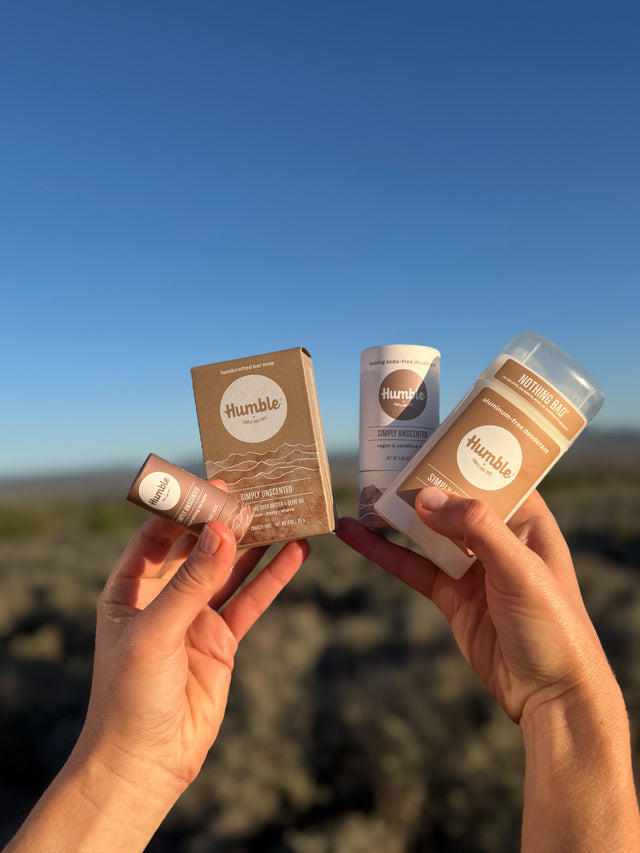
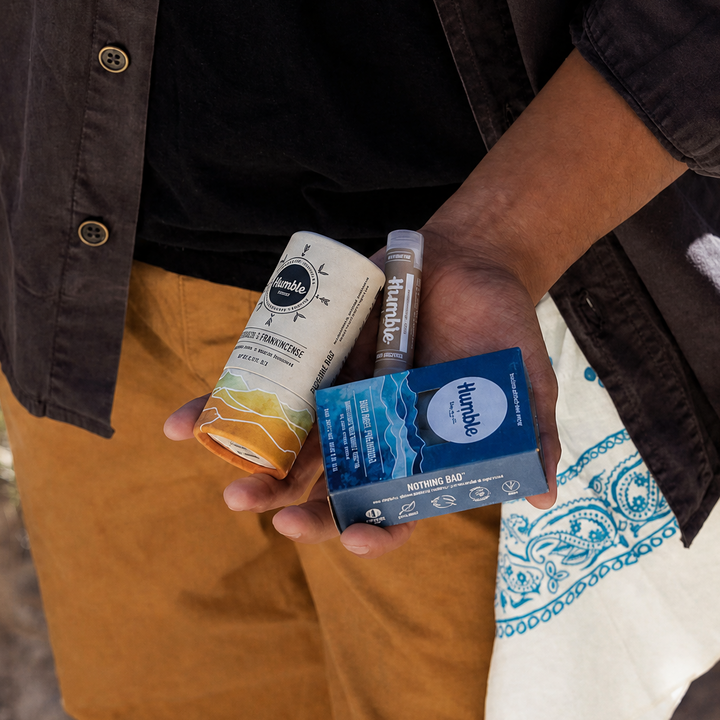
Knowing which tradeoffs matter to you is the whole point of reading the label in the first place. Humble's bar soap is made from responsibly sourced vegetable oils, and built for people who want to know exactly what they're washing with.
Shop our bar soap. 60 Day Love-It Guarantee.
Related Reads


Most loved
Shop bestsellers

- Grounding
PLASTIC FREE DEODORANT
Black Spruce Plastic-Free Deodorant
$12.99
Scent intensity: 4/5


Leave a comment
Please note, comments must be approved before they are published