



Unlocking the Healing Powers of Sage

Sage has been used for thousands of years across cultures. From ancient Greek temples to New Mexican healing traditions, modern research is finally catching up with what traditional practitioners have always known. The aromatherapy benefits of sage go far beyond a pleasant scent.
When you inhale the earthy, herbaceous aroma of sage oil, you're tapping into compounds that may support focus, calm your nervous system, and sharpen mental clarity. Whether you're diffusing sage oil at your desk or incorporating sage into a morning routine, sage aromatherapy offers a quiet, grounded way to support your well-being.
Here's what you need to know about this versatile herb, how it works, and how to bring it into your daily life.
What Makes Sage Special in Aromatherapy
Sage is often overshadowed by lavender and eucalyptus in aromatherapy. That's worth understanding, because sage brings something distinctly different to aromatherapy practice.
True aromatherapy-grade sage comes from Salvia officinalis, a common sage plant native to the Mediterranean that has been cultivated and treasured across more than 900 varieties worldwide. The Greeks and Romans didn't just cook with it. They valued it enough to distill sage essential oil through steam distillation and use it ceremonially in temples and sacred spaces.
What they recognized, and what we're learning through modern research, is that sage has a unique chemical profile that sets it apart from other aromatic herbs. Sage oil's therapeutic properties come from volatile compounds that interact directly with your nervous system.
When you smell sage oil, you're experiencing something slightly minty with an earthy undertone. It's herbaceous and warm, with just a hint of gentle peppery notes depending on the variety. That scent profile is key.
Unlike the bright, cooling clarity of eucalyptus or the flowery calm of lavender, sage oil's aroma is grounding and purifying. It feels both uplifting and stabilizing. It doesn't overwhelm the senses. Instead, it creates what you might think of as a sensory anchor. A way to return your attention to the present moment.
This is why sage aromatherapy shows up across so many traditional practices and complementary medicine. From Ayurvedic medicine to European herbalism, sage has been recognized as supporting mental focus and emotional balance. What traditional healers understood through experience, neuroscience is now beginning to explain.
The sage essential oil that grows in New Mexico's high desert has the same therapeutic properties as Mediterranean Salvia officinalis. It's that reliable. Whether you're using garden sage or sourcing it from a traditional supplier, the benefits of sage remain consistent because the chemical composition stays true.
The Science Behind Sage Aromatherapy
Research on sage essential oil is growing, and what scientists are finding supports centuries of traditional use. The key compound at work is thujone, which is present in Salvia officinalis at safe, therapeutic levels. Understanding sage oil's chemical composition helps explain why this herb has earned its place in traditional medicine and complementary medicine worldwide.
When you inhale sage oil through aromatherapy, the volatile compounds travel through your olfactory system (your sense of smell) and interact directly with your brain's limbic system. This system governs emotion, memory, and stress response.
This is where Sage's potential really emerges. Several published studies on sage essential oil and cognitive function have examined sage. The results are promising.
Research suggests that Salvia officinalis (sage) extract may support short-term memory retention, mental clarity, and focus, particularly at standardized doses of 300–600 mg in healthy adults and older individuals. One notable area of investigation is sage's potential to ease anxiety and support a calm, centered mindset. When inhaled, the aromatic compounds may help regulate your nervous system's response to stress, allowing you to stay present without feeling overwhelmed.
Sage essential oil also has notable antibacterial, antifungal, and anti-inflammatory properties, making it valuable for skincare applications when properly diluted in a carrier oil.
This is partly why sage aromatherapy has gained traction in spaces that demand sustained attention. Creative studios, focus sessions, and meditation practices all use sage oil. People who incorporate sage essential oil into their routines often report feeling more grounded and mentally clear. The research backs up the lived experience, showing that sage is effective for stress reduction and cognitive function, with the evidence building solid ground.
With consistent use, sage seems to support a longer-term sense of mental clarity and emotional balance. Day after day, that signal accumulates into real change. Your body learns to associate the aroma with calm and clarity, and over weeks and months, you may notice you're more naturally grounded.
Practical Ways to Use Sage Oil
Now that you understand the science, here's the practical part: how to actually bring sage aromatherapy into your day. The good news is that there are multiple methods, and you can choose the one that fits your life.
-
Diffusing sage oil: This is the most direct way to experience sage aromatherapy. Add 3 to 5 drops of pure sage essential oil to a diffuser with water, and let it run while you work, meditate, or unwind. A 20 to 30-minute session is plenty. If you're new to diffusing, start with 3 drops. Sage oil is potent, and you want to find the level that feels right for you. This method creates the strongest aromatic presence and works well for dedicated focus sessions.
-
Topical dilution with a carrier oil: Never apply pure essential oil directly to skin. Instead, mix 2 to 3 drops of sage oil into a carrier oil like jojoba or coconut oil. Apply this blend to your wrists or behind your ears, or use it as a massage oil for your shoulders and neck. This method lets you carry the scent and benefits with you throughout your day.
-
Hair care application: Dilute a few drops of sage essential oil in a carrier oil and massage gently into your scalp. This application may support scalp health and help balance oil production.
-
Herbal sachets or dried sage: If you prefer a gentler approach, dried sage bundles can be placed in a sachet and kept near your workspace or under your pillow. The aroma is more subtle than diffused oil, but it's still effective and requires no equipment. This is a low-commitment way to start if you're just testing the waters.
-
Sage tea for internal support: Beyond aromatherapy, sage tea has long been used in traditional medicine for digestive support and stress relief. Sage tea is typically brewed as a gentle, warm infusion and may support overall wellness when used as part of a balanced routine.
-
Personal care products: This is where many people most easily discover sage aromatherapy. Sage-scented soaps, deodorants, and body care products deliver the benefits without any setup or maintenance. You get the full aromatherapy benefits of sage every time you shower or apply deodorant. It's the simplest way to build a consistent practice into your existing routine.
If you're pregnant or nursing, consult a healthcare provider before using sage oil. Sage essential oil should always be diluted before topical use, and never apply pure sage oil directly to your skin. When diffusing, start slowly if you're new to aromatherapy and listen to your body's response. Some people prefer gentler methods, such as herbal sachets; others thrive on regular diffusion.
Understanding Clary Sage: A Different Kind of Sage
While common sage (Salvia officinalis) brings focus and mental clarity, clary sage offers distinct benefits. Clary sage (Salvia sclarea) contains linalool and linalyl acetate, compounds that create a more relaxing, emotionally supportive effect than common sage's thujone-based profile.
Clary sage essential oil is often used for emotional balance, particularly during transitions or challenging seasons. Research suggests that clary sage oil may have antidepressant-like effects, supporting mood stability and calm. The linalool content in clary sage is known for its relaxing properties, making it ideal for situations other than those of common sage.
Beyond mood support, clary sage oil has become recognized in traditional and complementary medicine for supporting hormonal balance, particularly for menopausal women. Research into clary sage's effects on menopausal women suggests it may support comfort during this natural life transition, especially for those experiencing hot flashes and mood swings.
To use clary sage oil effectively, apply the same principles as common sage. Diffuse 3 to 5 drops, or dilute it in a carrier oil for topical application. When you need mental sharpness and focus, reach for Salvia officinalis. When you're seeking calm, emotional balance, or support during hormonal transitions, clary sage oil becomes the better choice.
Sage in Your Daily Personal Care
Here's where the rubber meets the road. Incorporating aromatherapy into your life doesn't mean adding another task. It means choosing products and routines you're already doing and upgrading them to work harder for you.
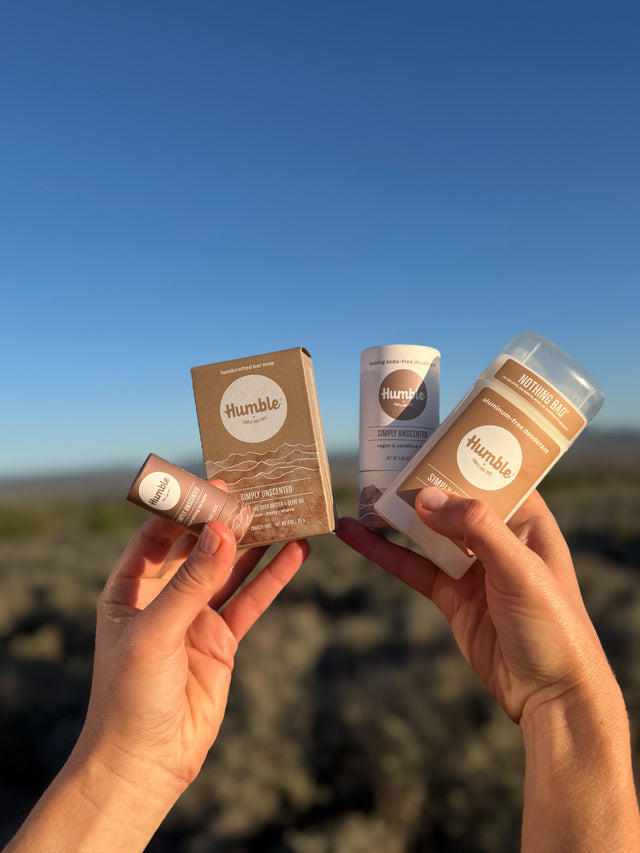
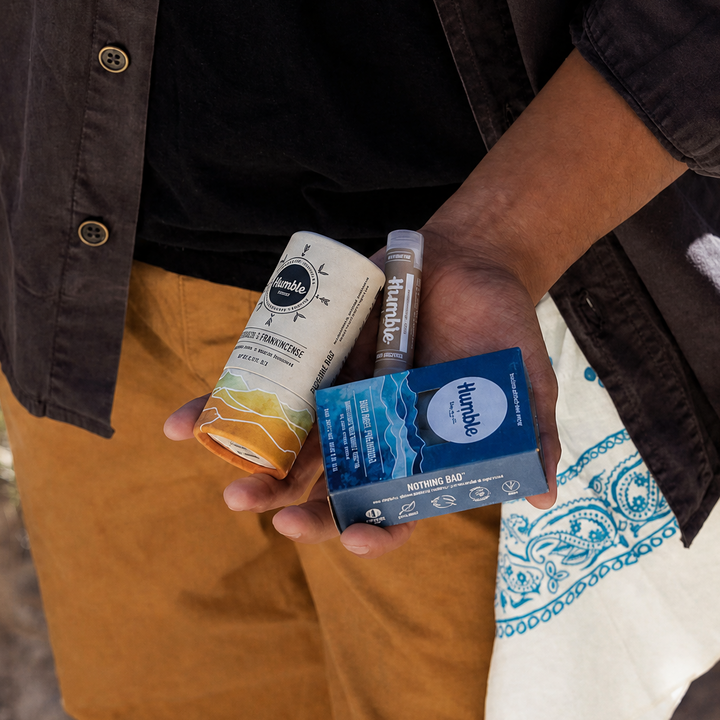
Humble's Lemongrass & Sage deodorant and soap collection were designed around this idea. What if your shower and your deodorant could deliver the calming, clarifying benefits of sage aromatherapy as part of your existing routine?
-
The combination of lemongrass and sage is intentional. Sage brings its grounding, herbaceous calm, while bright lemongrass adds a subtle citrus lift, keeping the scent from feeling heavy. That balance is exactly what makes the aromatherapy benefits of sage accessible in a personal care context.
-
When you wash with Lemongrass & Sage bar soap, you're not just cleaning. You're inhaling the therapeutic aroma, giving your nervous system that signal to settle and focus. When you apply the deodorant, you're carrying that grounding scent throughout your day. This is sage aromatherapy working in the background of your daily routine.
-
Humble sourced Salvia officinalis specifically for these products, steering clear of endangered White Sage. The result is a delicate aroma that complements lemongrass perfectly and honors the sage traditions of New Mexico, where our brand began.
Think of it this way: this isn't about replacing meditation or therapy or whatever your main practices are. It's about layering in support. Every time you step out of the shower with our natural bar soap or apply your deodorant, you're reinforcing a moment of calm and presence. Over weeks and months, that consistency adds up to real transformation in how you meet your day.
A Simple Start
Sage has been valued for thousands of years because it works. The aromatherapy benefits of sage are real, backed by both research and lived experience across cultures and centuries. What's happening now is that science is catching up, confirming what traditional practitioners always understood. Scent is powerful. Grounding matters. Consistency compounds into real change.
If you're ready to experience sage aromatherapy for yourself, you don't need to overhaul your routine. Start where you are. Light a candle, diffuse a few drops of sage oil, or simply step into the shower with a bar of Lemongrass & Sage soap. Notice how you feel. Notice the aroma, the calm, the clarity. That's the practice right there. Small, accessible, and genuinely supportive.
Want to learn more? Check out our guide to Essential Oils for Energy to explore other aromatic botanicals.
Related Reads


Most loved
Shop bestsellers

- Grounding
PLASTIC FREE DEODORANT
Black Spruce Plastic-Free Deodorant
$12.99
Scent intensity: 4/5


Leave a comment
Please note, comments must be approved before they are published